Chinatown: A Story of Belonging
San Francisco, Chee Kung Tong, and the generations who built a community
Walk through San Francisco’s Chinatown and the past is never far away. It lives above the shops, inside association halls, in family photographs and in the names carried across the Pacific. This is the story of a neighborhood built through work, mutual aid, resistance and renewal—and of Chee Kung Tong’s place within that larger history.
12 historical chaptersArchival photographsBegin the story ↓
Across the Pacific, toward Gold Mountain
The Gold Rush brought Chinese migrants to California, many from Guangdong. San Francisco became a gateway: a place to arrive, obtain supplies, find contacts and begin a journey into an unfamiliar country. As Chinese workers entered mining, railroad construction and other occupations, a lasting neighborhood grew around the city’s early Chinese businesses. Chinatown’s beginnings belong to this wider movement of people, labor and trade across the Pacific.
A photograph of Sacramento Street in 1866 lets us begin at street level. Shops and pedestrians make the neighborhood tangible. Look beyond the old-fashioned buildings: these were working streets, connecting customers, suppliers and households. Every business sign represented an effort to make a living. Every familiar voice could help a newcomer feel less alone. Reading Chinatown through these ordinary details restores the human scale to a history often reduced to dates and monuments.
A hall, a helping hand, a place to belong
For Chee Kung Tong, brotherhood was expressed through practical assistance. UC Berkeley’s Library describes the San Francisco chapter as providing housing and protection to Chinatown immigrants during the exclusion era. Its historical role also reached across the Pacific through support for Sun Yat-sen and other revolutionaries. These two strands—helping people establish themselves here and participating in change in China—belong together in the lodge’s story.
This helps explain why a lodge hall matters in the history of a neighborhood. A building can give continuity to relationships that would otherwise be scattered across workplaces and temporary lodgings. Meetings, shared responsibilities and the care of records make an institution outlast its individual members. Chee Kung Tong’s contribution to Chinatown is visible both in its public history and in this durable idea: that people far from their original homes can accept obligations toward one another.
Hongmen roots and Chinatown’s many associations
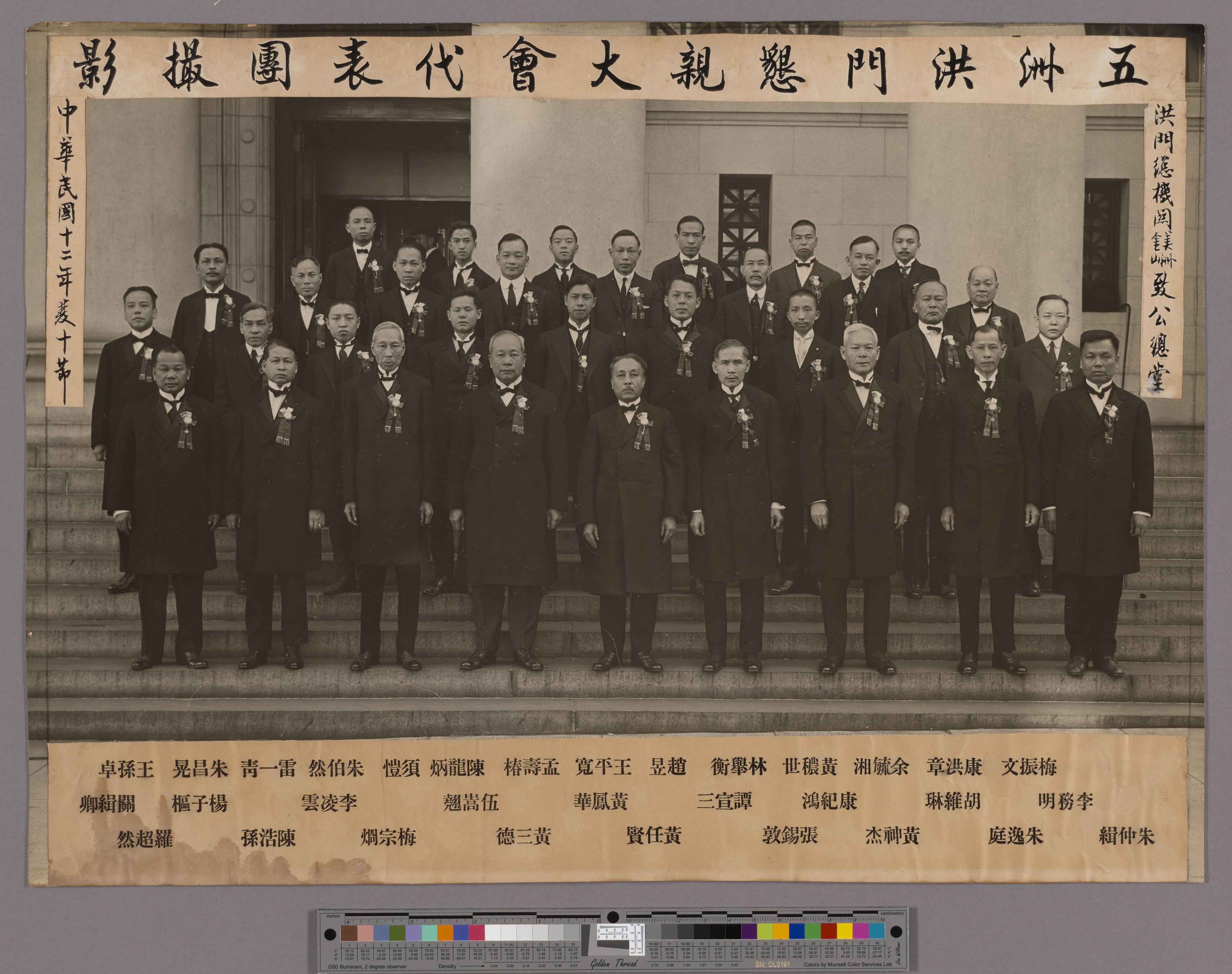
Chinatown’s social landscape included family associations organized around surnames, district associations connected to places of origin, and fraternal tongs. Membership could overlap. San Francisco Planning’s historical study describes Hongmen connections among many early tongs, while also identifying organizations that developed in response to the power of established associations. It names Suey Sing, Kwong Duck and Chee Kung Tong among the early institutions discussed.
Shared traditions are different from a documented parent-and-branch relationship. The sources reviewed for this history do not establish that every other Chinatown tong was founded by, or split from, Chee Kung Tong. The strongest account recognizes Chee Kung Tong as an important Hongmen institution within a wider network of distinct organizations. A common vocabulary of brotherhood, overlapping membership or cooperation on a cause does not by itself prove institutional descent.
The Chinatown behind the postcards
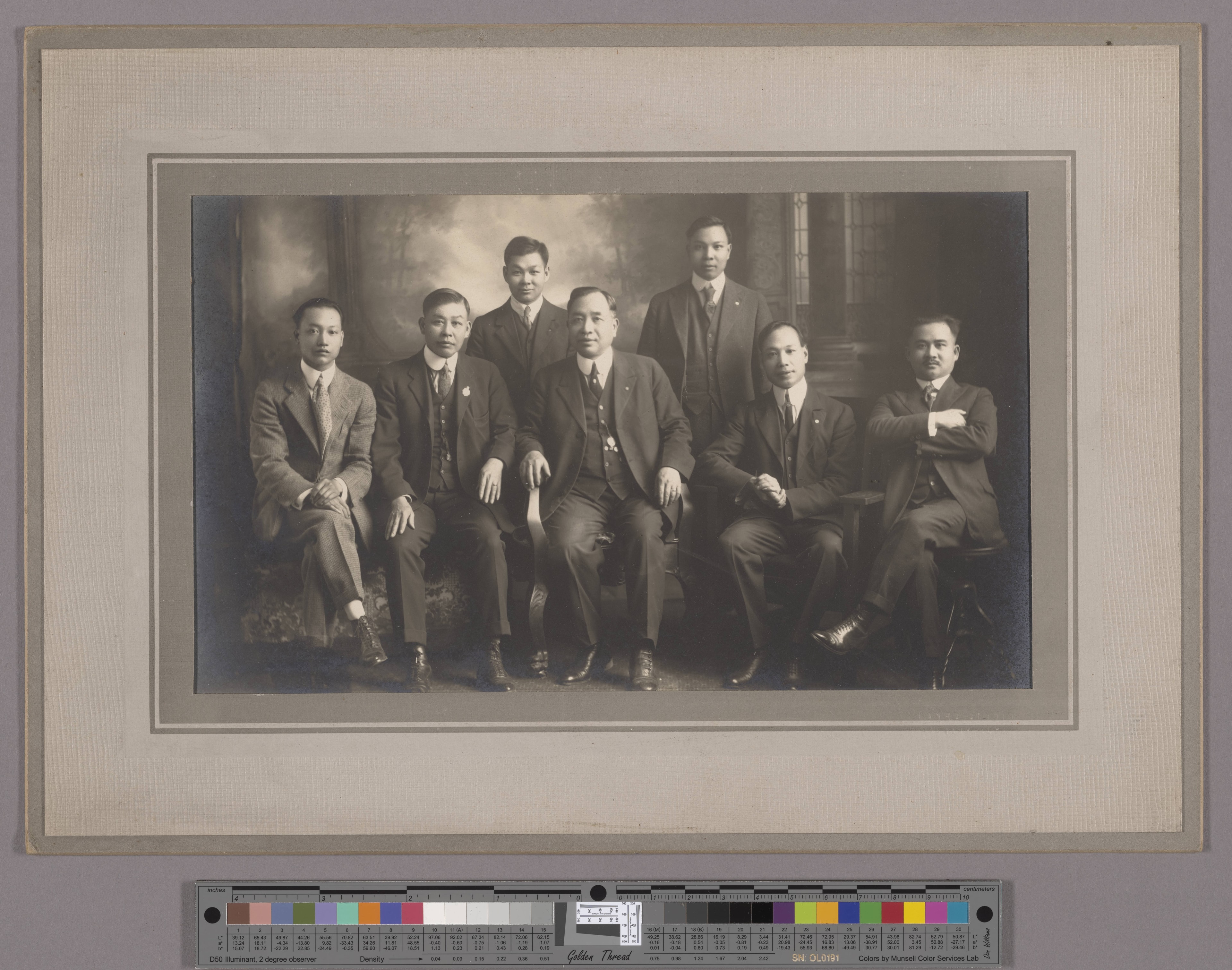
An old photograph can invite us into a street while also limiting what we see. Arnold Genthe’s Chinatown photographs preserve valuable scenes of people, shops and clothing before the earthquake. Yet a photographer chooses where to stand, when to press the shutter and what to exclude. The University of Washington’s discussion of one Genthe image shows how cropping could change the social story a photograph appeared to tell.
On this page, street scenes are presented as records of Chinatown life, not as portraits of identified Chee Kung Tong members. The distinction gives the photographs room to tell their own stories. Children, shopkeepers and passersby remind us that the neighborhood was a home before it was a tourist destination. Its history includes the everyday work of raising families and sustaining friendships, alongside the celebrated achievements of prominent leaders.
Exclusion could restrict a border, but not erase a community
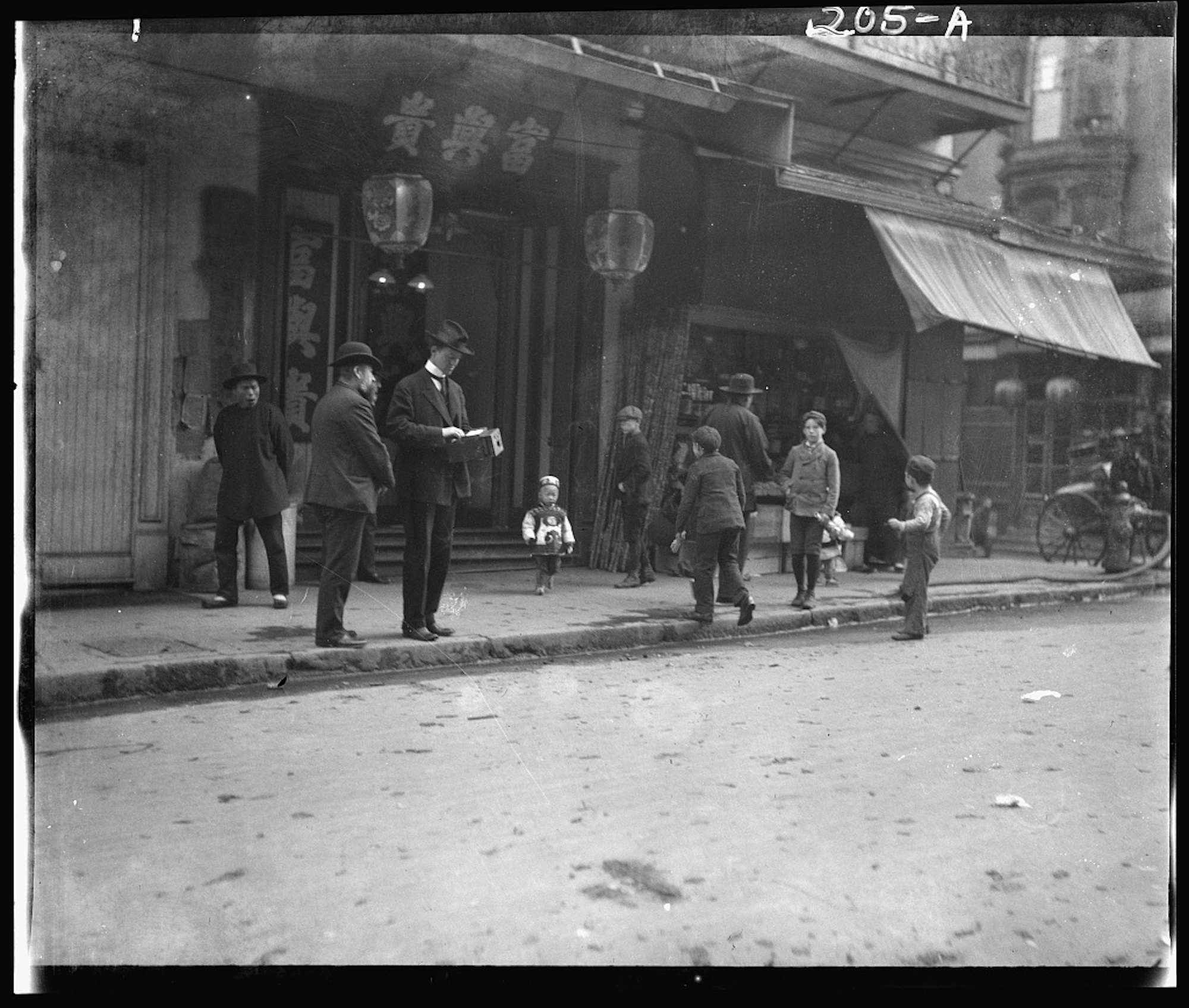
The Chinese Exclusion Act of 1882 suspended the immigration of Chinese laborers. Later legislation extended restrictions and imposed additional documentation requirements. These measures reshaped the possibilities of travel, work and family life. In 1943, repeal ended the exclusion law, but a very small immigration quota remained. The end of one statute was not the immediate end of unequal treatment.
Against that background, shelter and solidarity acquired particular significance. A community institution could not remove the law, but it could help people endure life under it. This is the setting in which Berkeley records Chee Kung Tong’s assistance to immigrants. To understand that work, imagine the importance of a dependable address and a circle of people willing to help when belonging itself was questioned. Chinatown’s institutions made survival a shared concern.

Families who challenged exclusion
Chinatown history also belongs in the history of American rights. Mary and Joseph Tape challenged the refusal to admit their daughter Mamie to a public school. The 1885 Tape v. Hurley decision favored her right to attend, but officials responded by creating a segregated Chinese school. The struggle therefore continued beyond the courtroom victory. A parent’s demand for a child’s education became part of a much larger contest over equal treatment.
San Francisco-born Wong Kim Ark faced another test after immigration officials denied his return from China in 1895. In 1898, the United States Supreme Court affirmed his citizenship under the Fourteenth Amendment. His case gave a Chinatown resident a lasting place in constitutional history. These stories are included as community history; they are not claims that Chee Kung Tong directed either lawsuit. Remembering them enlarges our understanding of the neighborhood’s contribution to the country.
When the streets disappeared
The earthquake of April 18, 1906 and the fires that followed devastated San Francisco. Chinatown’s destruction was part of a citywide catastrophe, but Chinese residents faced an additional danger: displacement could become permanent. The National Park Service documents segregated refugee arrangements and efforts to move Chinatown away from its established location. Losing buildings threatened to become the loss of the neighborhood itself.
The photographs of smoke and ruins should be read alongside the determination to return. An association hall, a shop or a family lodging could be rebuilt only if people retained a place in the city. In that sense, reconstruction was a struggle over belonging as much as construction. The familiar streets visitors walk today were not guaranteed to remain Chinatown. Their survival was an achievement, not an inevitability.


Rebuilding a neighborhood—and its public image
The Chinese Historical Society of America’s earthquake exhibition describes the work of merchants such as Look Tin Eli and Tong Bong in imagining a rebuilt Chinatown. Distinctive architecture helped present the neighborhood to the wider city and to visitors. Behind the new appearance was an urgent practical purpose: keeping Chinese commerce and community rooted in their established home.
Compare the earlier street photographs with the 1929 view. Buildings, signs and traffic change, but the street remains a place of encounter. Rebuilding did not freeze Chinatown in an older time. It produced a new urban landscape in which tradition, commerce and modern city life met. That is why the neighborhood can be historic without being static: continuity has always required adaptation.

A Chinatown hall connected to a revolution
Chee Kung Tong’s revolutionary history is preserved in more than later recollection. Berkeley’s digitized collections include the announcement and rules of the Hongmen fundraising office. The surviving document shows organization: an effort to turn support into a coordinated campaign. Alongside it, photographs of the fundraising bureau and its associates give faces to a history that can otherwise become only a story of famous leaders.
San Francisco’s lodge supported and housed Sun Yat-sen. Its members and wider Hongmen connections helped make Chinatown part of a transpacific political world. The story is powerful without assigning the entire success of the 1911 Revolution to one institution. Fundraising, personal protection, networks and organizing mattered alongside the work of other revolutionaries and events within China. Our dedicated Sun Yat-sen page examines the fundraising record in greater detail.
Explore Sun Yat-sen & the lodge →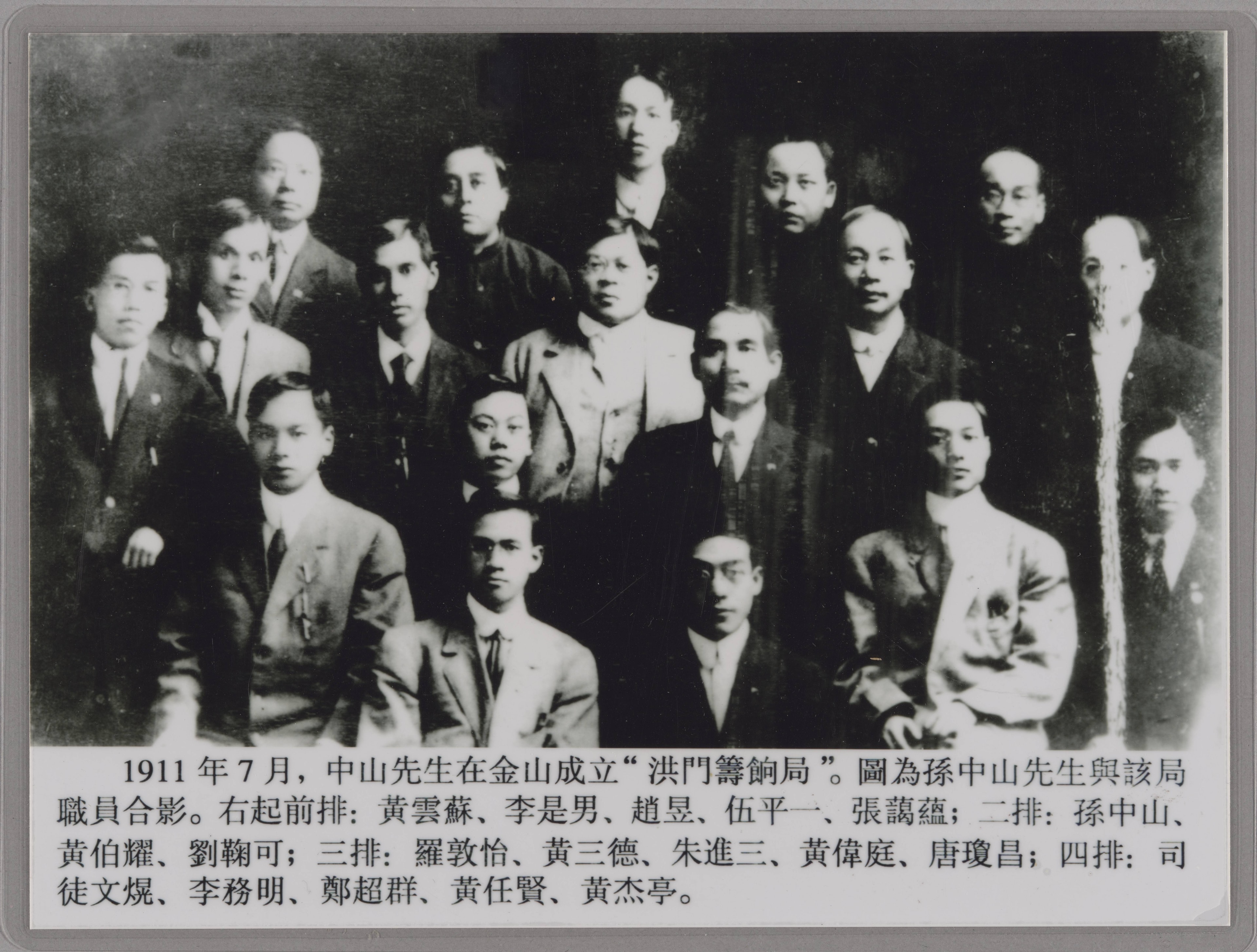
When a community built its own care
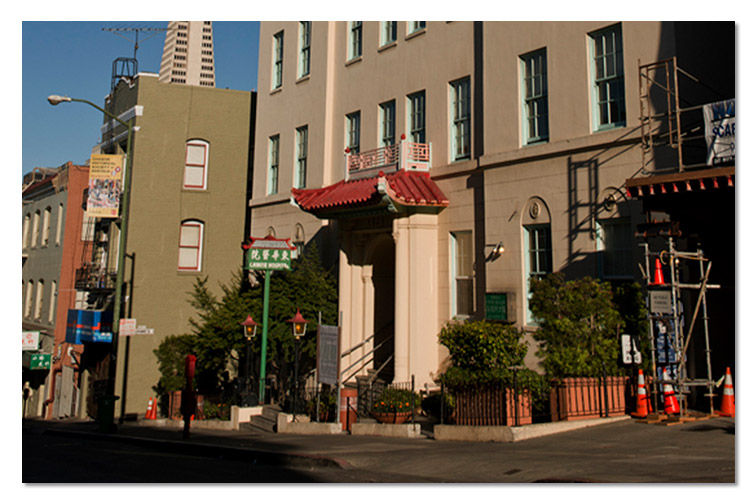
Chinese Hospital traces its beginnings to the Tung Wah Dispensary, established in 1899 for a community facing discrimination and limited access to care. Fifteen community organizations came together in 1923 to form the Chinese Hospital Association, and the hospital opened at 835 Jackson Street in 1925. A new patient tower opened in 2016. The old and new buildings belong to one continuing effort to make care accessible.
The hospital story illustrates a defining feature of Chinatown: organizations could cooperate to create services beyond the reach of any one household. Chee Kung Tong’s hospital affiliation belongs within that collective tradition. Our separate Chinese Hospital page follows the lodge’s connection and contemporary representation. Here, the historical photographs remind us that a community’s legacy is also measured in the institutions it builds to care for people.
Our Chinese Hospital connection →
A living neighborhood, not an open-air museum
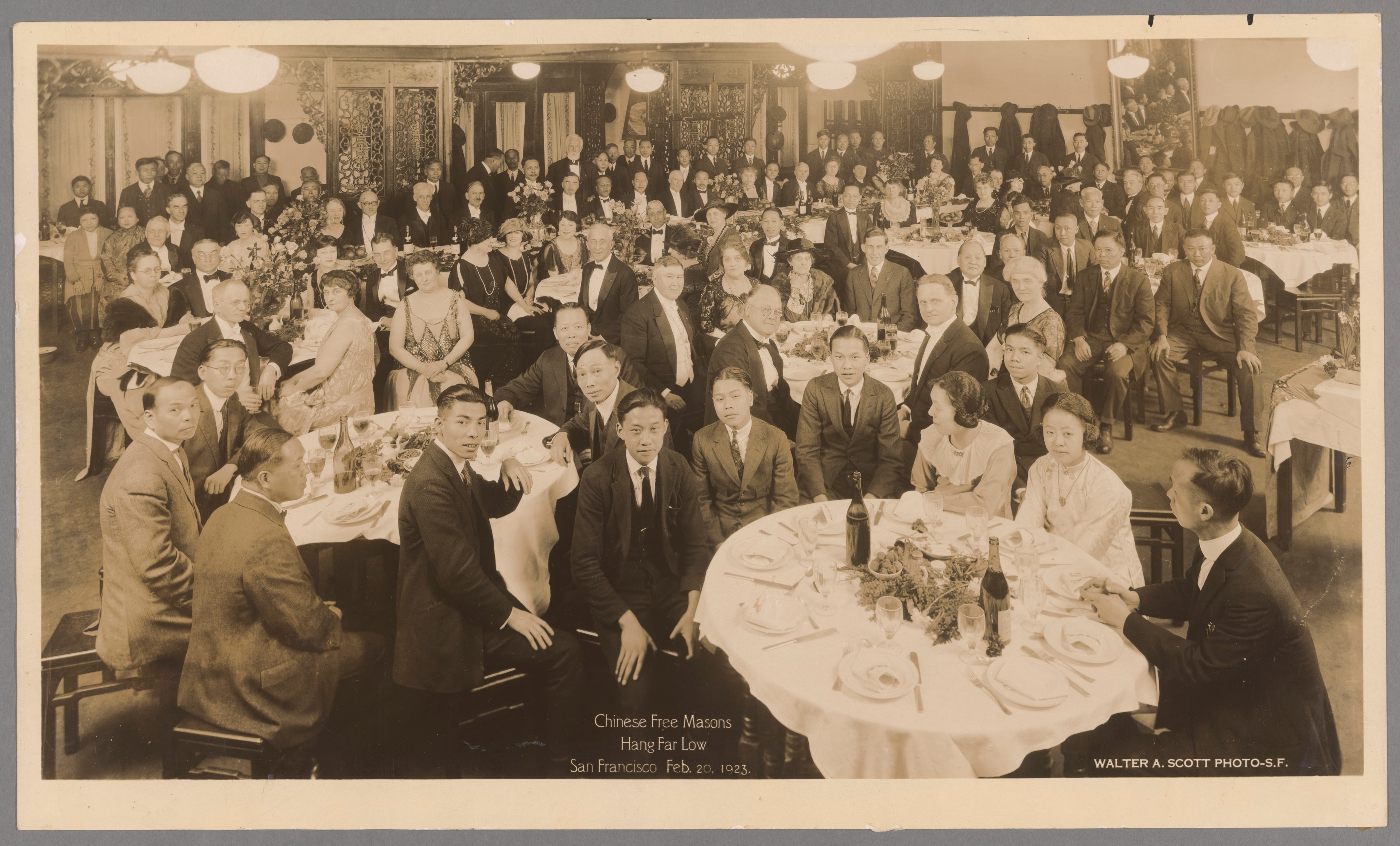
Chinatown’s later history brought new forms of community organizing. In 1977, five grassroots groups formed the Chinatown Resource Center, addressing housing, tenant rights, recreation, transportation and neighborhood facilities. The Chinese Community Housing Corporation followed in 1978; the two organizations merged as Chinatown Community Development Center in 2000. Their history demonstrates how the work of sustaining a neighborhood continued through new institutions and new generations.
These organizations have their own origins and achievements. Placing them beside the history of older associations reveals a neighborhood with many sources of leadership. The question across generations remains recognizable: how can people remain, participate and live with dignity? Preserving an old photograph is meaningful; preserving the possibility of community life is equally important. Chinatown’s history continues whenever people take responsibility for that shared future.
The next chapter belongs to all of us
At Chee Kung Tong, the past is carried forward through the lodge, its photographs, its records and its continuing community life. The chapter describes its present work as volunteer-led, with White Crane teaching martial arts and lion dance to members and the two groups working together to serve people of all ages without charge. Those living relationships give meaning to the older language of brotherhood.
The planned 180 Years of Brotherhood exhibition in 2028 offers another opportunity to bring generations together. Its exact date and venue remain to be announced. Family photographs, memories and participation can help deepen the story, while archive research keeps it grounded. The aim is more than looking backward. It is to make sure that the people who come next inherit both a record of what happened and a reason to care.
180 Years of Brotherhood · 2028 Exhibition →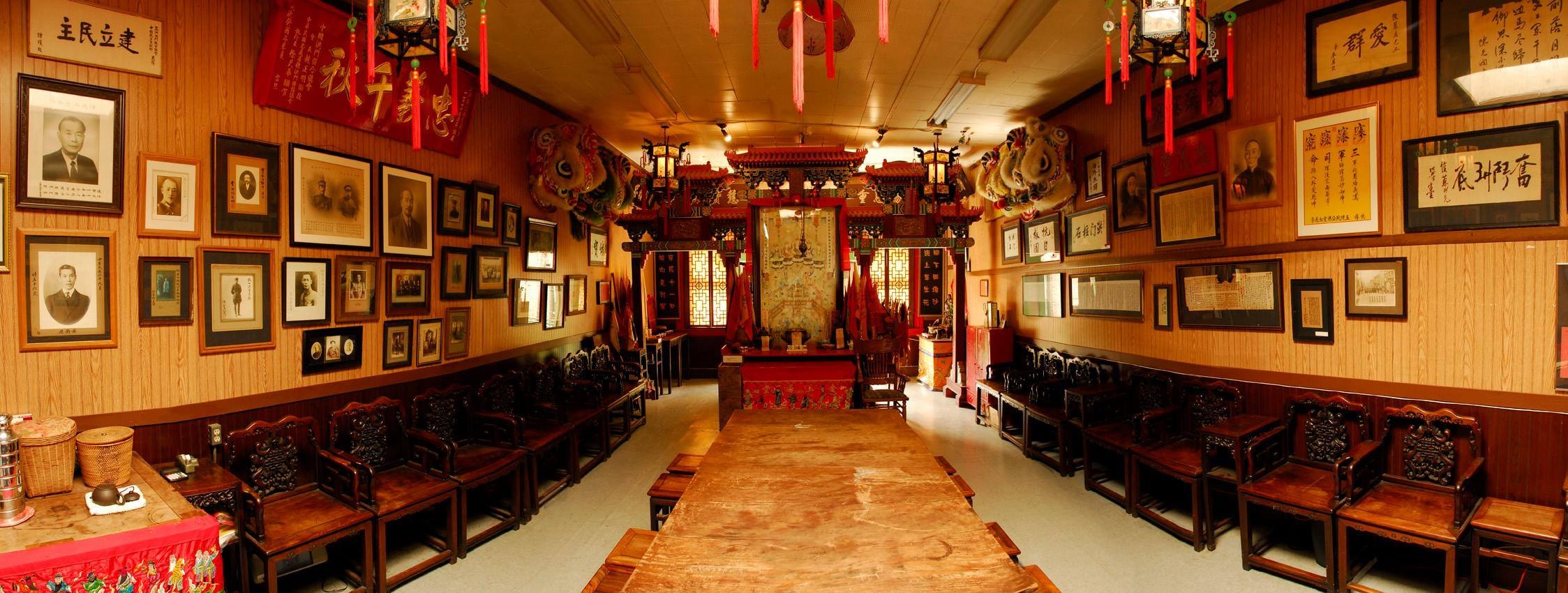
Follow the records. Continue the story.
This history brings together institutional sources, photographic collections and chapter-provided contemporary information. Street-scene subjects are not assigned lodge identities; shared Hongmen traditions are distinguished from direct organizational descent.
Chee Kung Tong History & Legacy · UC Berkeley archives · Historical gallery